
Slide 1

Serving South Florida

Slide 2
For over 40 years

Posts Tagged ‘homebuyer advise’

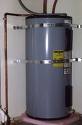
New Water Heater Regulations


If you’ve been thinking about replacing your water heater soon, you will want to read up on how the new water heater efficiency standards, effective April 16, 2015, will affect your options.

The U.S. Department of Energy recently mandated sweeping changes in the energy efficiency standards of this water-heating appliance. The new standards call for much higher Energy Factor (EF) ratings on all water heaters manufactured with larger than 55 gallons in capacity.

New water heater regulations mean huge changes in how larger capacity water heaters are manufactured, distributed and installed.

While the new mandates will add up to long term energy savings for all, the initial cost of replacing your old water heater may quickly become significantly more expensive.

For example, the average cost of conventional minimum-efficiency 60-gallon gas and electric water heaters is approximately $675 to $1,500 a unit. While in comparison, the new units manufactured after April 16 will cost anywhere from $1,200 to $2,450 each.

That’s not all. Water heaters manufactured after the new energy efficiency standards go live will require a different heat-pump design and will take up more space than your model now.

This means that if your current water heater is located in close quarters, like a 3 foot x 3 foot water closet or attic, you may be looking at a small home remodel to accommodate the larger units as well.

Water heaters contribute to a significant part of your monthly electric or gas bill. When replacing a water heater you should consider a tankless unit. These space saving units heat water on demand, only when you need it. The tankless technology offers endless hot water – you’ll never take a cold shower again! Because the water is only heated when it is being used, tankless water heaters are a great energy efficient solution for heating the water in your home. You’ll enjoy energy savings, better performance, extended life, fresh water, space savings and more capacity than traditional “tanked” water heaters.

If you are planning on purchasing a home or investment property that will need a new hot water heater, you should figure in these higher cost estimates in addition to the cost of retrofitting the space, if needed.

 

Homeowners Insurance Primer

Homeowners Insurance Coverage

One of the costs of owning a home that buyers need to consider in their budgeting is the cost of insuring the home. A standard policy will cover exterior and interior damage from incidents like vandalism, fire, wind and lightning. It also covers loss of use expenses, damage to structures like sheds or gazebos, and liability and medical costs if someone is injured on your property.

Common exclusions are flood, hurricane and earthquake damage, but you may be able to buy additional coverage for these if desired or required.

Policies vary widely, but in general, homeowners insurance covers the following areas:

Your Structure – Your home itself is protected against damage from fire, wind, smoke, lightning, theft, vandalism and just about anything else that isn’t specifically excluded.

Your Possessions — Your belongings are also covered under your homeowners policy, including losses that happen away from home, for example, if your camera is stolen while on vacation. Keep an inventory everything you own so any claims can be handled accurately and efficiently. Write down serial numbers as well as the date of purchase and original cost of the items, or document on video. Keep the inventory in a fireproof safe or somewhere outside your home, where it can be accessed if your home should be destroyed.

Liability — This aspect of your homeowner’s insurance protects you against lawsuits arising from damage you, your family members or your pets may cause to other people. Liability coverage would pay not only for the actual damage, but also for the cost of defending you in court and for any court-ordered damage payments.

Replacement Cost Coverage – Your insurance would pay what it costs to replace the property with an identical or similar item. For example, if a bicycle was stolen from your garage, your insurance would pay to replace it with a new bicycle of the same or similar make and model (less your deductible).

Actual Cash Value – Your insurance would pay what it costs to replace the property with an identical or similar item, once that item has been devalued for deprecation. To continue the example above, instead of paying for a new bicycle, your insurance would give you the cash value of a used bicycle of the same make and model that was stolen (less your deductible).

Extended Replacement Cost — This type of coverage applies only to the structure of your home. Even though it has the word “replacement” in the name, you’re covered only up to set limits, which may not be enough to pay for the entire value of your home. If you want the assurance that the full replacement value of your home would be paid in the event of disaster, ask for “guaranteed replacement cost”.

If you’ve purchased a condo, or townhouse, ask your insurance agent about specific homeowner policies designed for these types of homes. You’ll want to purchase coverage above the association policy, but the additional coverage is usually very affordable.

Work with your insurance agent to determine how much and what type of coverage is right for your family and your new home. Be sure to ask what discounts may be available, such as rate reductions for smoke alarms, fire extinguishers, security systems and nonsmoking households.

After purchasing your homeowners insurance, make it a practice to review your coverage every year to be sure that it’s keeping up with increasing real estate values and any additions or improvements you may have made. Projects like building a porch or another bathroom can add significant value,  so you may need to adjust your policy if you’re planning to renovate your new home. Upgrades (like a new roof) can lead to discounts if they mitigate risks, but potentially hazardous features (like a pool) may require up to $500,000 in coverage.

It may seem costly, but protecting what’s likely the largest investment you’ll make in your lifetime is worth it – and peace of mind is priceless.